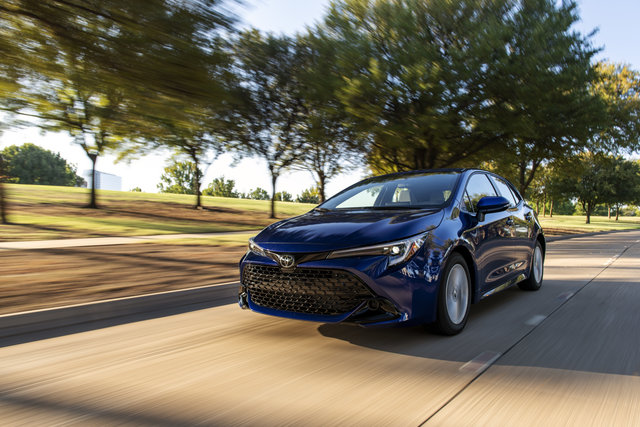
Commuting in New Brunswick means a little bit of everything: city stoplights, two-lane highway stretches, and stretches where fog rolls in without much warning. The 2026 Toyota Corolla comes with a suite of driver-assist tech built for exactly that mix. That suite is Toyota Safety Sense 3.0, and it’s worth understanding before you get behind the wheel. What Toyota Safety Sense 3.0 Actually Is...
For many buyers, the safety features of their cars, SUVs or light trucks are just as important as the performance and fuel economy. Toyota has taken this to heart and is always refining its Toyota Safety Sense (TSS) suite of driver aids as a result.
Toyota Safety Sense provides the safety features to make every drive more enjoyable
There are four levels of TSS, depending on your vehicle: TSS-C pre-collision system, TSS-P adds dynamic radar cruise control, TSS 2.0 can have up to six active safety systems on duty and TSS 2.5+ add even more capability, notably with the dynamic cruise system.
TSS-C is on-hand to mitigate (or completely avoid) a frontal collision – hence TSS-“C”. Depending on the severity of the situation, TSS-C may automatically apply the brakes. TSS-C will also alert you if you start to drift out of your lane, and automatically reduce your high beams if oncoming traffic is sensed.
Adding TSS-P to the equation means that now not only can your car see cars on the road, but pedestrians as well – hence TSS-“P” – and help you avoid them if it senses a distracted diver. In addition to warning the driver when it comes to lane departure, TSS-P can also steer the vehicle back with steering assist.
TSS 2.0’s pe-collision system makes use of stronger sensors that can function at night and detect bicycles, sense the edge of the road as opposed to just the lane markings as the other two systems can, can “attach” itself to the vehicle ahead with cruise control activated and maintain a certain distance and slow to a complete stop, as well as keeping the vehicle centered within its lane.
TSS 2.5+ adds the ability to prevent the diver from proceeding through an intersection – say, when making a left turn – if there is a potential danger crossing the road on the opposite side. It will also keep vehicles in their lane when swerving to avoid pedestrians or cyclists and reduce speed while cruising if oncoming turns are sensed.
Other Articles That May Interest You
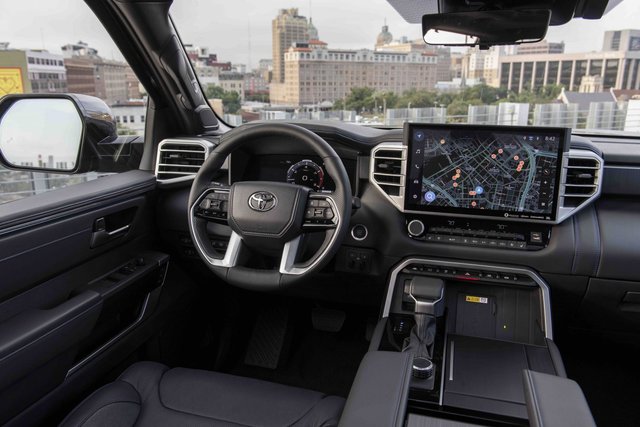
A workday in New Brunswick rarely looks the same twice. One morning you’re hauling gear to a jobsite, the next you’re shuttling kids across town, and by evening you just want the drive home to be simple. The 2026 Toyota Tundra’s cabin is built around that kind of variety, with connectivity tools that stay out of your way until you need them. What the Tundra’s Cabin Tech Actually Is Every 2026...
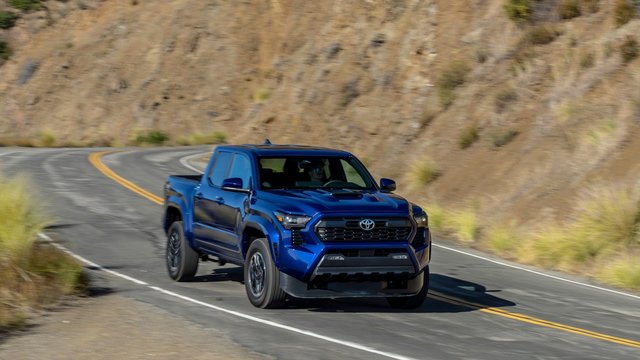
Shopping the 2026 Toyota Tacoma in New Brunswick means sorting through 14 distinct configurations, two powertrain families, and two bed lengths before you even sit in one. That’s a lot to compare on a showroom floor. This guide answers the questions that actually decide which Tacoma fits your driveway, whether you’re commuting daily, hauling gear on weekends, or chasing gravel roads farther...