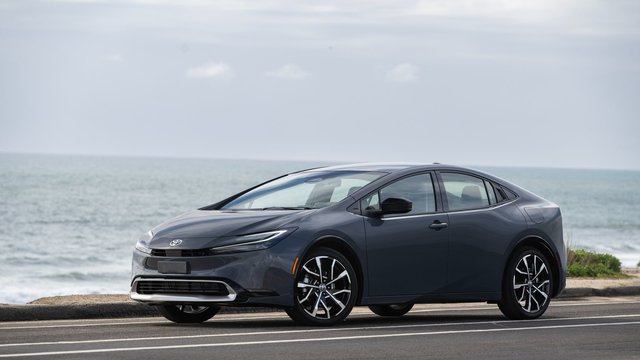
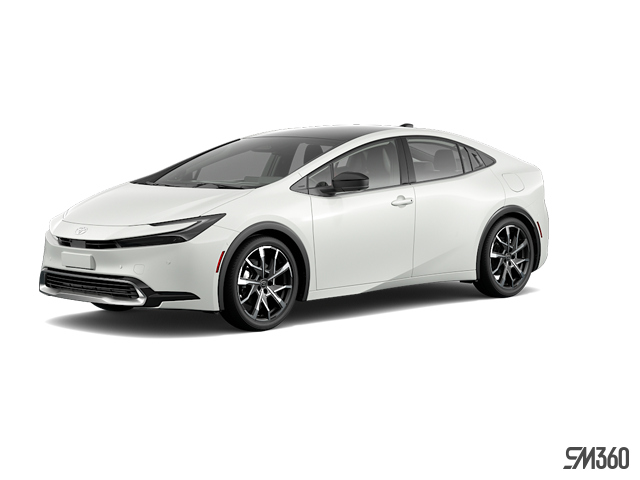
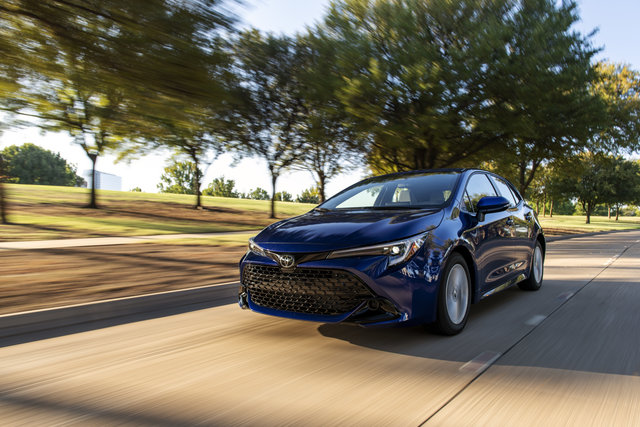
Toyota's electrified lineup gives drivers across New Brunswick two distinct paths to reduce their environmental footprint. The 2026 Prius Plug-in Hybrid and 2026 C-HR Battery Electric Vehicle each deliver unique advantages that suit different lifestyles and driving patterns.
Understanding these differences helps you make an informed decision that aligns with your daily routine, charging access, and driving preferences. Whether you need extended electric range with backup gasoline capability or prefer pure electric driving, both options deliver Toyota quality and reliability.
Understanding Plug-In Hybrid Technology
The 2026 Prius Plug-in Hybrid delivers versatility through its dual-power approach. Built around a 2.0 L 4-cylinder engine paired with an electric motor-generator system, this plug-in hybrid produces 220 horsepower while offering up to 72 kilometres of electric-only range on the SE model.
When the 13.6-kWh lithium-ion battery holds sufficient charge, the Prius Plug-in operates in EV mode using only electric power for zero-emission commuting. Once battery reserves deplete, the vehicle switches to hybrid mode, combining gasoline and electric power to achieve an estimated 4.5 L/100 km fuel efficiency on the SE model.
The plug-in hybrid's intelligence extends to multiple operating modes. AUTO EV/HV mode automatically engages the gasoline engine when extra power is needed for highway merging or hill climbing. HV mode conserves battery charge for later use. Drivers can also activate battery charge mode, using the gasoline engine to replenish the battery while driving - useful for preserving electric range for urban driving after highway travel.
Key Plug-In Hybrid Advantages:
- Eliminates range anxiety with gasoline backup
- Level 2 charging completes in approximately 4 hours
- Operates as efficient hybrid when charging unavailable
- Suitable for drivers without consistent charging access
Exploring Battery Electric Capabilities
The 2026 C-HR Battery Electric Vehicle takes a different path, offering pure electric propulsion through its 77-kWh lithium-ion battery. The front-wheel-drive SE model delivers 221 horsepower with a manufacturer-estimated range of 496 kilometres, while the all-wheel-drive XSE produces 338 horsepower and maintains 465 kilometres of range.
This dedicated electric architecture brings immediate benefits. With no gasoline engine to warm up or maintain, the C-HR provides instant torque delivery and whisper-quiet operation. The AWD model accelerates from 0 to 100 km/h in approximately 5.2 seconds, demonstrating how electric powertrains deliver performance alongside efficiency.
Charging infrastructure compatibility enhances the C-HR's practicality. The NACS charging port provides access to thousands of DC fast-charging stations nationwide. Under ideal conditions, DC fast charging restores the battery from 10% to 80% capacity in around 30 minutes. The included 11-kW onboard AC charger handles Level 1 and Level 2 charging at home or public stations.
Battery pre-conditioning technology optimizes charging performance in colder climates. This system brings the battery to optimal temperature for DC fast charging, either manually or automatically when navigation directs you to a charging station. Four levels of regenerative braking, controlled by steering wheel-mounted paddle shifters, convert kinetic energy back to electrical energy during deceleration.
Comparing Daily Driving Experience

Daily driving patterns influence which electrification type suits your needs. The Prius Plug-in Hybrid excels for drivers with varied routines who may not always have charging access. Its 72-kilometre electric range covers typical daily commutes, while the gasoline engine eliminates concerns about finding charging stations during longer trips or spontaneous detours.
The C-HR Battery Electric Vehicle rewards drivers with consistent charging access and predictable routes. Its 496-kilometre range (FWD model) accommodates most daily driving with margin to spare, while the extensive DC fast-charging network supports longer journeys. The absence of gasoline engine maintenance - no oil changes, spark plugs, or exhaust systems - reduces long-term ownership costs.
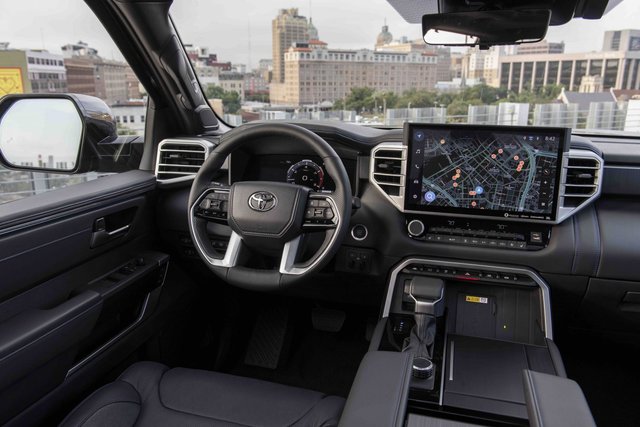
Interior technology creates similar experiences in both vehicles. The Prius Plug-in Hybrid features an 8-inch touchscreen on the SE model, upgrading to a 12.3-inch display on higher trims. The C-HR standardizes a 14-inch touchscreen across all models, running Toyota's Multimedia system with wireless Apple CarPlay and Android Auto integration. Both vehicles include Toyota Safety Sense 3.0, providing comprehensive active safety technologies.
Cargo capacity differs meaningfully between the two. The Prius Plug-in Hybrid offers 575 litres of space behind the rear seats, while the C-HR provides 720 litres - a notable advantage for families or outdoor enthusiasts who regularly transport gear. Both feature 60/40-split folding rear seats for expanded cargo flexibility.
Charging and Refueling Considerations
Charging infrastructure availability shapes the ownership experience for both electrified vehicles. The Prius Plug-in Hybrid's smaller 13.6-kWh battery charges fully in approximately 4 hours on a Level 2 charger, making overnight home charging practical even on standard 240-volt outlets. When charging isn't available, the vehicle operates as a conventional hybrid without compromising mobility.
The C-HR's larger 77-kWh battery requires more substantial charging infrastructure. Home installation of a Level 2 charger becomes essential for daily convenience, though the included dual-voltage AC charging cable provides flexibility. The 11-kW onboard charger reduces charging time compared to basic Level 1 charging, making overnight replenishment feasible.
DC fast charging transforms long-distance travel in the C-HR. The ability to add approximately 280 kilometres of range in 30 minutes (10% to 80% charge) makes highway trips practical, provided you plan routes around charging station locations. The NACS port's compatibility with thousands of charging stations nationwide improves accessibility compared to previous charging standards.
Making Your Decision
Selecting between plug-in hybrid and battery electric technology requires honest assessment of your driving patterns and charging access. The Prius Plug-in Hybrid suits drivers who value flexibility, frequently travel beyond electric range, or lack reliable charging infrastructure. Its ability to operate as a hybrid without charging eliminates range anxiety while still delivering electric driving during daily commutes.
The C-HR Battery Electric Vehicle rewards drivers with consistent charging access and predictable routes. Its longer electric range, faster acceleration, and lower operating costs create value for those who can integrate charging into their daily routine. The pure electric experience - instant torque, silent operation, and minimal maintenance - appeals to drivers ready to embrace full electrification.
Both vehicles deliver Toyota's quality, reliability, and comprehensive safety technologies. Toyota Safety Sense 3.0 comes standard on both models, providing active safety features like Pre-Collision System with Pedestrian Detection, Full-Speed Range Dynamic Radar Cruise Control, and Lane Tracing Assist.
Learn More at Saint John Toyota
Choosing between plug-in hybrid and battery electric technology is a personal decision based on your unique driving needs and lifestyle. Our team at Saint John Toyota is here to help you explore both options thoroughly. Visit us to experience the 2026 Prius Plug-in Hybrid and learn about the upcoming 2026 C-HR Battery Electric Vehicle. We'll help you determine which electrification approach aligns best with your daily driving across New Brunswick.