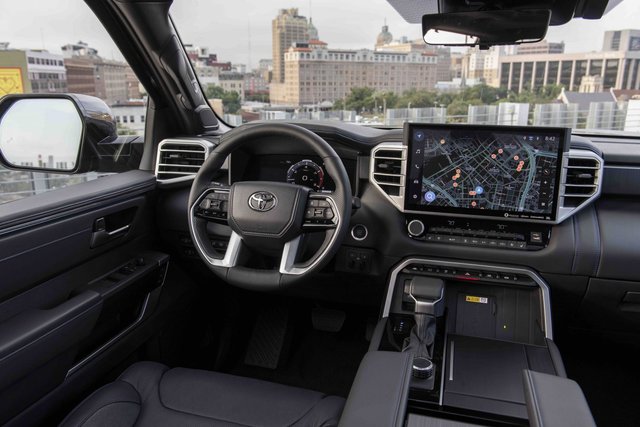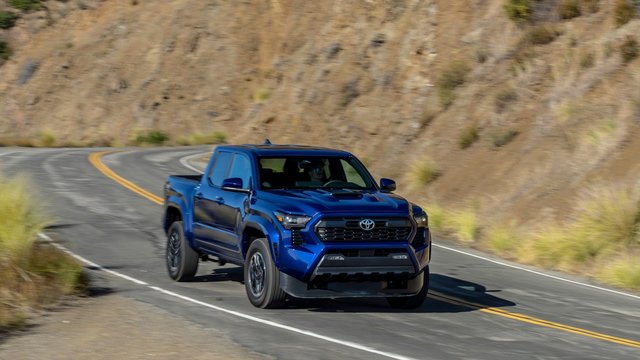
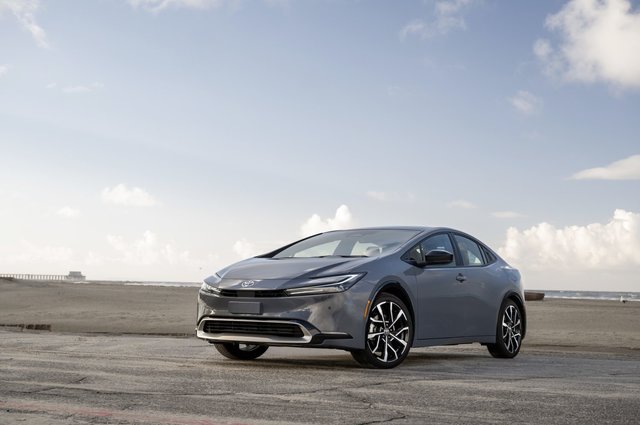
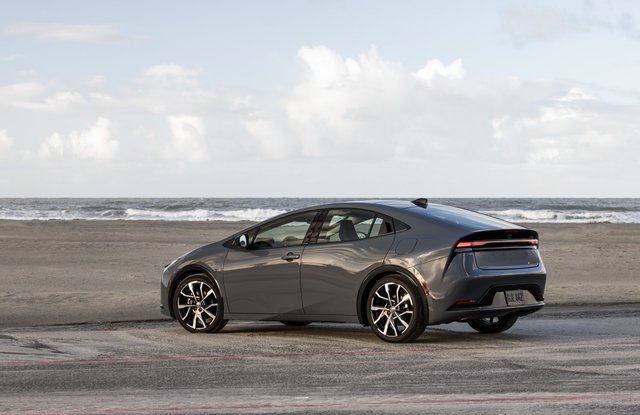
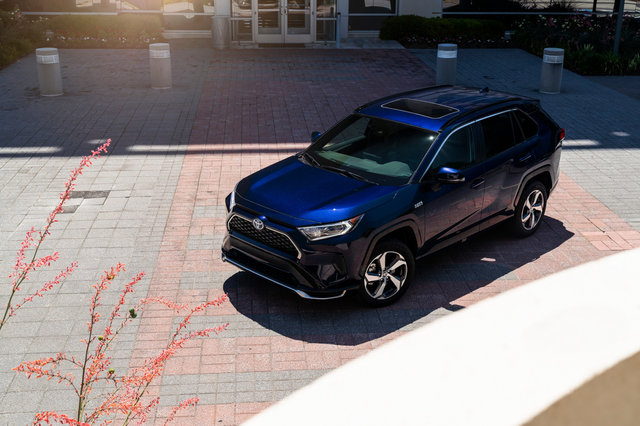
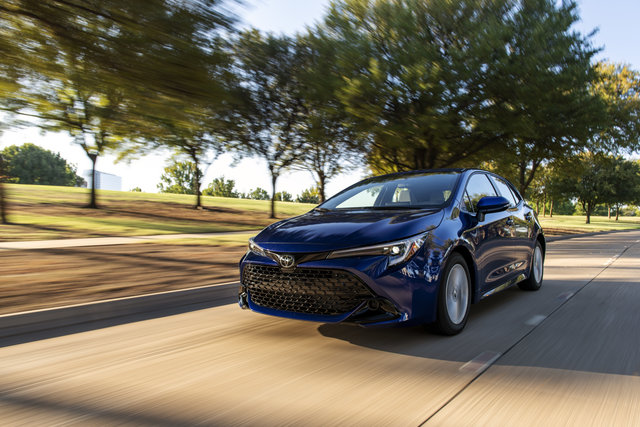
The 2026 Toyota Highlander offers the refined comfort of a passenger car with the versatility families need for everyday life. Whether you're planning a weekend getaway, hauling sports equipment, or managing daily errands, understanding the Highlander's cargo and seating capabilities helps you make the most of this three-row SUV. This guide answers the most common questions about the...
Toyota is set to adopt the North American Charging Standard (NACS) for its electric vehicles (EVs) and plug-in hybrid electric vehicles (PHEVs) in partnership with Tesla. This move is in line with Toyota's broader electrification plans and will commence in 2025. As part of the integration, Toyota EV users will be able to access over 12,000 Tesla Superchargers across North America, substantially enhancing the charging infrastructure for Toyota's customers.
NACS access starting in 2025
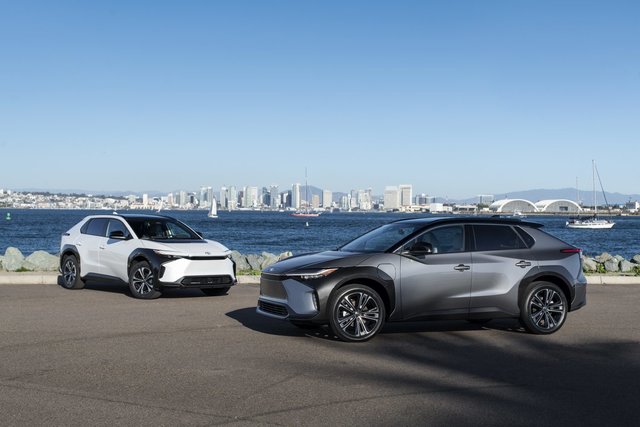
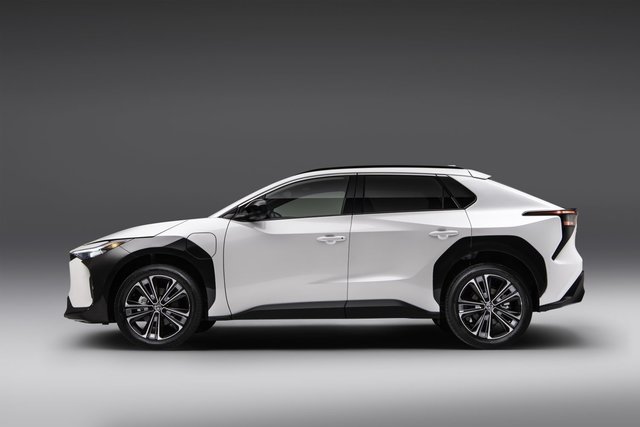
The plan is to incorporate the NACS ports in specific Toyota BEVs from 2025, including an upcoming battery-electric Toyota SUV to be assembled at Toyota Motor Manufacturing Kentucky. Toyota states that existing vehicle owners or lessees whose cars are equipped with the Combined Charging System (CCS) will be provided with adapters for compatibility with NACS charging stations.
Toyota's Transition to NACS Brings Multiple Benefits
1. Expansion of Charging Infrastructure: One of the most immediate advantages of Toyota's shift to the NACS is the amplified charging infrastructure. With the integration of NACS, Toyota electric vehicle (EV) users can tap into a vast network of over 12,000 Tesla Superchargers spread across North America. This not only boosts the frequency and accessibility of charging stations but also significantly enhances the long-distance travel experience for Toyota EV enthusiasts, reducing potential "range anxiety" and promoting more extended, uninterrupted journeys.
2. Consideration for Existing Users: Toyota's approach to adopting NACS is commendably inclusive. The company recognizes the need to support its current customer base who might have invested in vehicles equipped with the Combined Charging System (CCS). To ensure that these existing customers aren't left behind in this technological progression, Toyota will provide them with adapters from 2025. These adapters bridge the divide between CCS and NACS, ensuring seamless compatibility and expanding the charging options for existing Toyota vehicles.
3. Reaffirming Commitment to a Robust EV Ecosystem: Beyond the tangible benefits of expanded infrastructure and inclusive support, Toyota's move to embrace NACS sends a potent message about its vision for the future. By aligning with NACS, Toyota underscores its commitment to fostering a rich and diversified EV ecosystem. The company is signaling its readiness to evolve with industry trends, always prioritizing what offers its customers the best in terms of convenience, range, and technological innovation. The shift to NACS is a testament to Toyota's dedication to providing diverse and expansive charging solutions, underscoring its promise to remain at the forefront of the EV revolution.
While both NACS and CCS cater to EV charging needs, they differ in their attributes. CCS combines AC and DC charging capabilities in a single port and has global favor. Meanwhile, NACS is gaining prominence in North America, known for its efficient design and rapid charging speeds. Championed by Tesla, NACS represents a newer wave in EV charging standards.
Toyota's focus on offering a seamless charging experience for users is evident in its provision of over 84,000 charging ports in North America reachable through dedicated Toyota mobile applications that include level 2 and DC fast chargers. With the adoption of NACS, Toyota customers can anticipate expanded charging choices to augment their long-distance travel and reduce range anxiety. This move solidifies Toyota's commitment to providing diverse, inclusive, and convenient EV charging options for its customers.
Other Articles That May Interest You
Toyota's electrified lineup gives drivers across New Brunswick two distinct paths to reduce their environmental footprint. The 2026 Prius Plug-in Hybrid and 2026 C-HR Battery Electric Vehicle each deliver unique advantages that suit different lifestyles and driving patterns. Understanding these differences helps you make an informed decision that aligns with your daily routine, charging access,...
The 2026 Toyota Tacoma i-FORCE MAX hybrid powertrain delivers serious towing capability for drivers across New Brunswick. Hauling a boat to the Bay of Fundy, towing a camper to Mount Carleton Provincial Park, or moving equipment for work—this hybrid system provides the torque and capacity to handle recreational towing with confidence. The i-FORCE MAX pairs a 2.4 L turbocharged 4-cylinder engine...