Saint John drivers know the challenge of navigating through dense fog rolling in from the Bay of Fundy, especially during spring and fall transitions. Reduced visibility can turn familiar routes into hazardous conditions, requiring heightened awareness and reliable safety technology. Toyota Safety Sense addresses these concerns through radar and camera-based systems designed to support driver awareness when visibility drops.
Understanding how these technologies function in challenging weather helps drivers make informed decisions about vehicle safety features. Toyota Safety Sense operates through a network of sensors that work together to monitor road conditions, detect potential hazards, and provide timely alerts—even when fog limits what the human eye can see.
How Toyota Safety Sense Sensors Work in Low Visibility
Toyota Safety Sense 3.0 relies on multiple sensor types positioned around the vehicle to gather information about the surrounding environment. The front radar sensor uses radio waves to detect objects ahead, while the front camera reads lane markers and identifies vehicles, pedestrians, and road signs. This dual-sensor approach provides redundancy—if one system's effectiveness is reduced by weather conditions, the other continues to provide data.
The radar sensor operates independently of lighting conditions and can detect vehicles through fog, rain, and snow. Unlike camera-only systems that rely on visual clarity, radar waves penetrate moisture in the air to identify objects at distance. This capability proves valuable on foggy mornings along Route 1 or when coastal weather reduces visibility on Highway 7.
The front camera complements radar by reading visible lane markers and monitoring vehicle position within the lane. While fog can reduce camera effectiveness, the system alerts drivers when visibility drops too low for reliable operation, prompting increased manual attention rather than operating with compromised data.
Pre-Collision System with Pedestrian Detection
The Pre-Collision System (PCS) monitors the road ahead for potential collision risks, including vehicles, pedestrians, and cyclists. In fog conditions common to Saint John, the system uses radar to detect objects that may not be visible to the driver until closing distance becomes critical.
PCS provides visual and audible alerts when it identifies a potential collision risk. If the driver does not respond, the system can apply brake assist to help reduce impact severity. This layered approach—alert first, assist if needed—maintains driver control while providing backup support in reduced-visibility scenarios.
The system's effectiveness depends on multiple factors including speed, road conditions, and the type of object detected. PCS is designed to assist the driver, not replace attentive driving, and operates most reliably when combined with appropriate speed reduction in foggy conditions.
Lane Departure Alert with Steering Assist
Lane Departure Alert (LDA) with Steering Assist monitors lane markers to help keep the vehicle centered in its lane. In fog, when drivers may struggle to see lane markings clearly, LDA provides visual and audible alerts if unintended lane drift is detected.
The system can apply gentle steering force to guide the vehicle back toward the lane center. This feature proves particularly helpful on longer highway stretches where fatigue combined with poor visibility can lead to gradual drift. LDA operates above approximately 50 km/h and requires visible lane markings to function.
Heavy fog, snow accumulation on roads, or worn lane markings can limit LDA effectiveness. The system alerts drivers when conditions prevent reliable operation, indicating when manual lane-keeping requires full attention.
Dynamic Radar Cruise Control
Dynamic Radar Cruise Control maintains a set following distance from the vehicle ahead, automatically adjusting speed to match traffic flow. In stop-and-go fog conditions, this reduces the need for constant speed adjustments while maintaining safe spacing.
The system uses radar to track the vehicle ahead, making it functional in fog conditions where visual monitoring becomes challenging. Dynamic Radar Cruise Control can bring the vehicle to a complete stop and resume movement in traffic, reducing driver workload during stressful low-visibility commutes.
System effectiveness depends on weather, traffic, and road conditions. Drivers remain responsible for monitoring surroundings and adjusting following distance as conditions require. In dense fog, increasing the following distance setting beyond the system's maximum provides additional reaction time.
Lane Tracing Assist
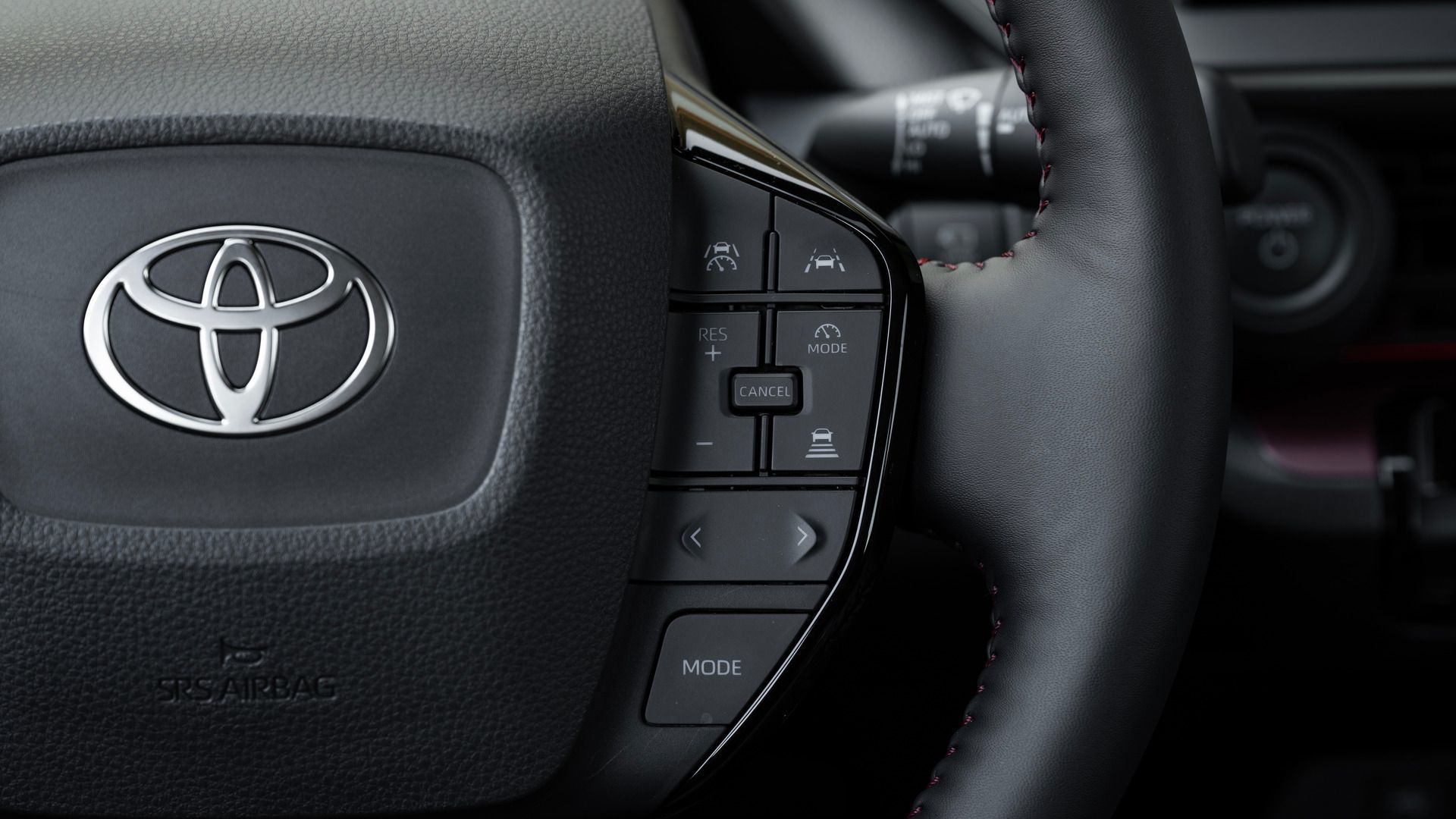
Lane Tracing Assist (LTA) works with Dynamic Radar Cruise Control to help keep the vehicle centered in its lane during highway driving. The system uses both the front camera and radar to monitor lane position and the vehicle ahead, providing steering assistance to maintain lane centering.
LTA proves helpful during extended highway drives in fog, reducing the constant steering corrections needed to stay centered when lane visibility is compromised. The system provides visual warnings and can apply steering force to help guide the vehicle, but requires the driver to keep hands on the wheel.
Factors including road conditions, weather, and vehicle conditions affect LTA performance. The system may not operate reliably when lane markings are obscured by heavy fog, snow, or water, requiring driver intervention to maintain proper lane position.
Automatic High Beam
Automatic High Beam (AHB) manages high beam headlights based on detected traffic and lighting conditions. The system switches to low beams when it detects oncoming vehicles or vehicles ahead, then returns to high beams when the road is clear.
In foggy conditions, high beams can create glare by reflecting off moisture in the air, reducing visibility rather than improving it. AHB helps manage this by automatically switching to low beams, though drivers should manually override the system in dense fog to prevent glare.
AHB operates above approximately 34 km/h. Factors including dirty windshields, variable weather, and hilly terrain limit effectiveness. Drivers maintain manual control and can override automatic operation as conditions require.
Maintaining Toyota Safety Sense Effectiveness
Toyota Safety Sense performance depends on clean, unobstructed sensors. The front radar sensor, located in the front grille area, and the front camera, mounted behind the windshield near the rearview mirror, require clear surfaces to function properly.
Snow, ice, mud, or debris covering sensors can prevent proper operation. Regular cleaning of the front grille area and windshield—particularly in winter months—maintains system reliability. The vehicle alerts drivers when sensor visibility is compromised, indicating when cleaning is needed.
Windshield maintenance directly affects camera performance. Cracks, chips, or aftermarket tinting can interfere with camera operation. Windshield wiper condition matters—worn blades that leave streaks or water on the windshield reduce camera effectiveness in rain and fog.
System Limitations and Driver Responsibility
Toyota Safety Sense assists drivers but does not replace attentive driving. The systems have operational limits, particularly in challenging weather conditions common to New Brunswick. Heavy rain, fog, snow, and sandstorms can reduce sensor effectiveness, requiring increased driver attention.
The systems may not detect all objects or situations. Motorcycles not directly ahead, partially obscured objects, and vehicles making sudden movements may not be detected reliably. System performance varies based on vehicle speed, road conditions, and the specific scenario encountered.
Drivers remain responsible for vehicle control and safe operation. Toyota Safety Sense provides additional support layers, but cannot prevent all collisions or compensate for unsafe driving practices. Reducing speed, increasing following distance, and using fog lights appropriately remain essential practices in low-visibility conditions.
Toyota Safety Sense Across the 2026 Lineup
Toyota Safety Sense comes standard across the 2026 Toyota lineup, with most models equipped with Toyota Safety Sense 3.0. The 2026 Sienna includes Toyota Safety Sense 2.0, offering a similar suite of active safety technologies adapted for the minivan platform.
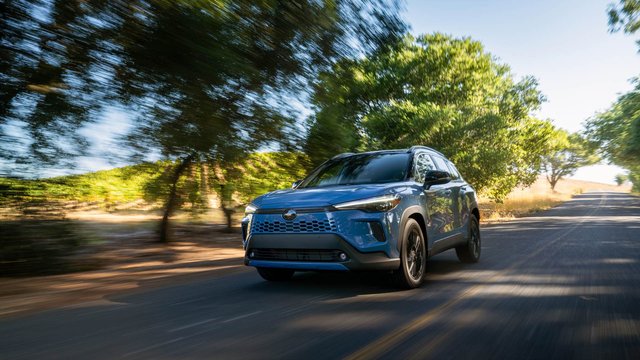
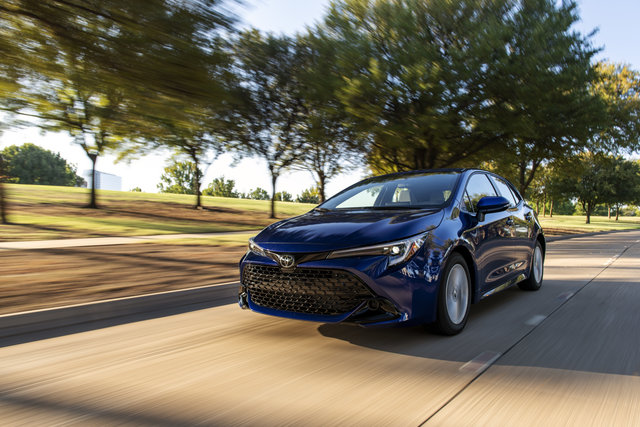
Standard inclusion means Saint John drivers can access these safety features regardless of which Toyota model they choose. From the Corolla to the Highlander, the core technologies—Pre-Collision System, Lane Departure Alert, Dynamic Radar Cruise Control, and Automatic High Beam—provide consistent safety support across the lineup.
Some models include additional features such as Blind Spot Monitor with Rear Cross Traffic Alert, enhancing awareness in situations where fog may obscure adjacent lanes or backing scenarios.
Experience Toyota Safety Sense at Saint John Toyota
Understanding how safety technology functions in real-world conditions helps drivers use these systems effectively. The team at Saint John Toyota in Saint John can demonstrate Toyota Safety Sense features and explain how they operate in New Brunswick's varied weather conditions.
Test drives provide hands-on experience with Pre-Collision System alerts, Lane Departure Alert feedback, and Dynamic Radar Cruise Control operation. Experiencing these technologies in person clarifies how they support driving in fog and other challenging conditions common to the region.